Stir-frying over a roaring flame, tossing glistening veggies and aromatic garlic, is one of the vital small joys of a domicile kitchen. That signature sizzle and smoky flavor - wok hei, as the Cantonese name it - is predicated on equally warm and the pan itself. Most house chefs succeed in a crossroads at some point soon: cast iron wok or carbon metallic? The debate isn’t well-nigh subculture or aesthetics. It’s about efficiency, repairs, and how each one material shapes the nutrients you serve.
Why this concerns for homestead cooks
The wok is more than a vessel. It’s a culinary instrument, a conduit for excessive warmth and fast circulate, and a centerpiece for relations-style dining. Picking the wrong wok can mean frustration - heavy lifting, nutrition sticking, uneven warmth. Choose correctly, and you’ll breeze thru stir-fries, pan-fried dumplings, or even deep-fried treats. The cast iron wok vs carbon steel determination is set matching your cooking flavor and kitchen reality.
The nature of every material
Both solid iron and carbon metal are alloys, in the main iron with a small percent of carbon. The nuances lie in how they’re made.
Cast iron woks are in many instances thick and heavy, made by means of pouring molten iron into molds. This provides them a rustic, essentially indestructible high-quality. They preserve warmness for a very long time yet take longer to heat up. In China, forged iron woks probably have thinner walls than Western skillets - however even then, the heft is unmistakable.

Carbon metallic woks bounce as thin sheets pressed and hammered into form. They are light-weight (pretty much 1/2 or less the load of forged iron), and conductive, responding shortly to variations in burner intensity. This is why authentic kitchens virtually normally reach for carbon metallic: pace and agility count after you’re firing a number of dishes a evening.
How every single wok feels in use
Imagine achieving in your wok to toss a medley of pea shoots, pork belly, and chilies over a excessive flame.
With a forged iron wok, you’ll word the solidity in the present day. The pan demands recognize - it’s now not a specific thing you flick approximately one-surpassed unless you’ve been doing this for years or have forearms like a blacksmith. But once sizzling, it assists in keeping a good temperature throughout its floor. That’s a boon for deep frying or gradual braises; less so while you wish to tilt and swirl the pan mid-stir fry.
A carbon steel wok feels nimble with the aid of comparability. Even in higher sizes, that you can lift it off the burner and participate in that classic chef’s wrist-flick to tumble noodles or veggies. It heats up swift - five minutes on a amazing flame brings it to searing temperature - but loses warmth quickly if you overload it with chilly foods.
Seasoning: Not simply an afterthought
Both models require seasoning - a procedure wherein oil is baked onto the steel to create a pure nonstick floor and shield towards rust. The approach is comparable yet now not equal.
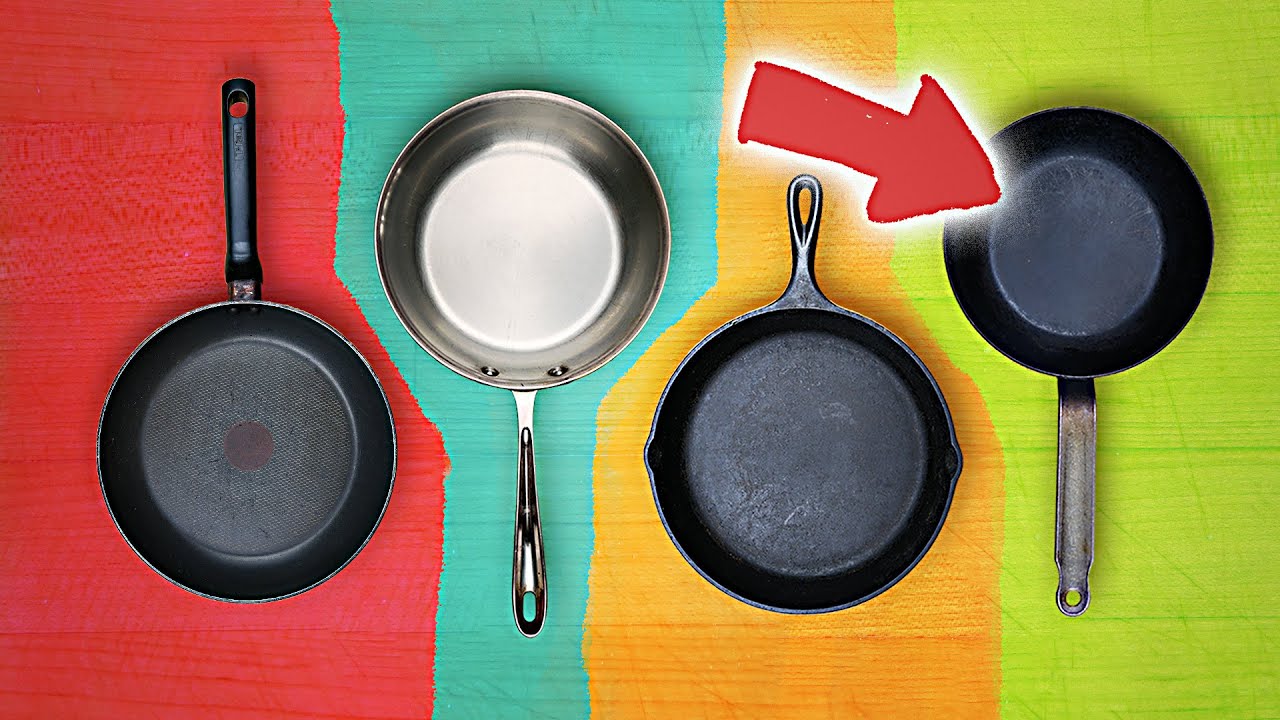
Cast iron’s rougher surface texture helps seasoning layer up speedily. After just two or 3 rounds of oiling and baking, you’ll word a dark patina forming. That observed, its porousness manner it'll absorb flavors extra deeply. If you ever scramble eggs after stir-frying fish, don’t be stunned if a few residual aroma lingers.
Carbon metallic starts out silver-grey and slicker. It takes greater persistence to accumulate a bulletproof nonstick coating - many times various months of known cooking prior to even eggs slide off effortlessly. But as soon as familiar, carbon metal’s seasoning can emerge as glassy delicate.
Realistically, the two components desire care: dry thoroughly after washing, dodge soap if achievable (a immediate rinse is more commonly adequate), and re-oil frivolously in the past storing.
Heat leadership and cooking results
The middle of wok cookery is serious warmth: wok hei best develops while food meets temperatures above 400°F (204°C). This is the place both constituents diverge sharply.
Cast iron excels at holding warmness. Drop cold protein into a scorching solid iron wok and it won’t cool so much - first-rate for searing poultry thighs or pork slices without crowding complications. However, it also takes longer to reply should you desire to dial down the temperature without notice.
Carbon steel is responsive: crank up the gasoline and it follows; turn it down and it cools straight away. That makes it more desirable applicable for subtle maneuvers like pausing among batches or switching from high-warmth stir-frying to delicate simmering in a single consultation.
For so much residence gasoline burners beneath 20,000 BTUs (so much are between 8,000-15,000), each material can paintings good sufficient if preheated true. On electric powered stoves or induction cooktops, forged iron’s flat bottom also can sit improved on the component; around-bottomed carbon metal woks often need distinctive earrings or adapters.
Everyday protection: What’s life like?
Owning a wok isn’t set-and-overlook. Both materials demand occasional consideration beyond seasoning.
Cast iron woks can broaden rust spots if left out in a single day or left rainy after washing. A little salt scrub ordinarily fixes minor blemishes, yet critical rust can also require stripping down the seasoning solely and commencing over - tedious work high-quality refrained from by using drying instantly and oiling afterward.
Carbon metallic has identical vulnerabilities but is barely much less forgiving attributable to its thinness; rust can devour by way of faster if left unchecked. However, because they are lighter and smaller (generally as thin as 1-2mm), cleaning feels more uncomplicated daily.
An anecdote from my very own kitchen: I as soon as left either varieties out overnight after a celebration - one damp cast iron wok grew orange freckles along its rim; the opposite (a seasoned carbon metallic) constructed faint streaks I wiped away with vinegar and re-seasoned directly on the stove.
Durability over years of use
A properly-made forged iron wok can final generations with minor care - I’ve cooked on one that belonged to my grandmother, its bottom worn modern by means of decades of flames but still reliable as ever. Dropping one may perhaps chip or crack it (although it truly is infrequent unless mishandled) via its brittleness in comparison to metallic.
Carbon metallic woks not often holiday outright yet can warp if overheated even as empty or exposed to sudden temperature swings (consider rinsing a flaming-hot wok below bloodless tap water). Their handles can also cast iron wok vs carbon steel loosen over time due to the fact they’re riveted in place of solid as one piece; tightening them is easy with usual methods.
Neither textile fares nicely within the dishwasher - the two will lose their seasoning wholly and can rust inside hours.
Cooking versatility: Beyond stir-fries
Woks aren’t limited to chow mein or kung pao hen. Their form makes them most appropriate for deep frying (use much less oil than with directly-walled pots), steaming (with bamboo racks), smoking (with tea leaves or wood chips at the base), or even shallow pan-roasting.
Cast iron shines for obligations requiring consistent heat: frying tofu cubes except crisp all over or simmering crimson-cooked beef stomach unless meltingly tender.
Carbon metal comes into its very own while brief maneuvers are obligatory: tossing greens right now over top warmth or cooking fragile seafood the place overcooking way disaster.
If you savour making crepes or flatbreads on occasion, seasoned carbon metal can double as an impromptu griddle; cast iron works too yet can be more difficult to maneuver for broad sweeps or flips simply by its weight.
Practical concerns: Size, form, handles
Classic woks are round-bottomed - best possible for open flames yet finicky on flat stovetops customary open air Asia. Flat-bottom fashions exist for the two components; cast iron versions have a tendency to have thicker bases that cling regular on induction stoves or glass cooktops.
Handles come in two kinds: one lengthy “pao” take care of plus a small loop contrary (Northern Chinese vogue), or twin loops (“ear” handles) regular in Southern designs. Cast iron woks typically have loop handles considering full-duration handles may be unwieldy at their weight; carbon steel presents greater sort in view that lighter mass allows for for unmarried-exceeded tossing.
For so much families (feeding 4), a 14-inch diameter works good; smaller households would get by way of with 12-inch versions however probability crowding meals all through stir-fries - which may result in steaming in preference to searing.
Edge cases: Who must always decide on which?
If you have got limited higher body force or wrist issues, carbon steel gives lots more convenient handling day by day. For people that love internet hosting scorching pot events or deep-frying batches of spring rolls, forged iron’s stability may win out in spite of its heft.
Apartment dwellers with finicky smoke detectors can even recognize carbon metal’s fast cooling - letting you whip up overdue-nighttime ingredients with out lingering warmth environment off alarms an hour later.
On induction stoves, check company solutions cautiously: not all carbon metal woks sit down flush adequate for correct heating except designed principally for flat tops (a few brands now supply hybrid bases).
Cost comparisons
In so much markets, uncomplicated hand-hammered carbon metal woks payment between $25-$60 depending on length and branding; greater-conclusion units with glossy finishes can run $eighty-$one hundred twenty but be offering equivalent efficiency at their center.
Cast iron woks fluctuate more extensively: imported Chinese units may well run $40-$eighty even as premium Western manufacturers (like Staub or Le Creuset) fetch $150-$300 way to teeth coatings or designer flourishes.
For natural position - that may be, stir-frying at domestic - there’s no need to overspend unless aesthetics be counted noticeably otherwise you’re attempting heirloom-point durability with minimum repairs (enameled solid iron on no account needs seasoning).
Side-through-edge summary
Here’s a speedy comparability for readability:
| Feature | Cast Iron Wok | Carbon Steel Wok | |------------------------|------------------------------|------------------------------| | Weight | Heavy (customarily 6-10 lbs) | Light (2-four lbs usual) | | Heat Retention | Excellent | Good yet cools turbo | | Responsiveness | Slow | Fast | | Ease of Tossing | Difficult | Easy | | Seasoning | Builds right now | Takes time | | Rust Resistance | Moderate (necessities care) | Needs typical attention | | Durability | High (if no longer dropped) | High (can warp as a replacement) | | Cost | Moderate-top | Low-mild | | Versatility | Best for secure warmth initiatives | Best for high-warmth agility |
Choosing what works in your kitchen
Let’s distill this down into useful steerage:
If your range has a great deal of energy and you savour deep frying or braising most commonly, solid iron promises unbeatable warmness retention. If agility concerns - immediate-fireplace stir-fries, regular tossing, minimum wrist stress - carbon metallic shines. For electric or induction burners the place flat balance is central, search for flat-bottomed types in spite of subject matter. If preservation concerns you, enameled forged iron calls for much less fuss since it doesn’t rust (yet bills some distance extra). For those that cost lifestyle and passing down cookware via generations, both can match the invoice if cared for correctly.Tips from true-global experience
Seasoning good is part the warfare with both model: apply very thin layers of prime-smoke level oil (flaxseed works neatly), warm unless smoking gently, cool completely between coats. Don’t skimp on air flow for the time of initial seasoning; open home windows if doubtless as fumes is usually intense.
Don’t predict perfection in a single day with carbon steel - cussed sticking first and foremost is widespread but fades after numerous weeks of use. A splash of water adopted by way of energetic boiling can loosen caught-on bits without resorting to harsh scrubbing.
If you do stumble upon rust spots on both form, make a paste from baking soda and water or scrub gently with quality metal wool formerly re-seasoning that facet only; there’s rarely need to strip the whole thing back unless corrosion is critical.
Final thoughts
The “solid iron wok vs carbon metallic” debate isn’t approximately suitable or wrong however about finding what fits your pace of life, kitchen setup, and willingness to continue your instruments through the years. Having cooked heaps of food on either sorts across diversified stoves and kitchens full-size and small, I discover myself achieving for carbon metal after I crave agility and velocity on weeknights - but I cherish my historical forged iron wok after I’m simmering crimson-cooked beef on lazy weekends with household collected round.
Each brings anything uncommon to the table: forged iron’s unyielding heat; carbon steel’s lively responsiveness. Given real care and sincere use, either will serve up various bowls of fragrant foodstuff for years on cease - smoky veggies someday, crispy dumplings the subsequent, every single bearing the subtle signature most effective your palms can impart over time.